Navigating Water Sustainability: The Role of Stormwater Tanks in Eco-Friendly Practices
Stormwater tanks are becoming quintessential nowadays for most commercial and residential buildings since it helps in water conservation as a lot of water can be collected and later can be used for many purposes. Stormwater when collected in tanks can be used for various purposes for domestic and commercial needs and hence reducing the consumption of water from other sources.
As environmental awareness of wastewater's bad influence on the environment develops, businesses and companies are treating wastewater with septic tanks. Waste water treatment products aids in environmental protection and helps the businesses reach their goals for reducing their impact on the environment.
Modern septic tank types can filter both grey and black water, keeping the water free of pollutants from the environment. Businesses must invest in a sustainable future as it is crucial to the future of humanity, especially in light of the pressure from stakeholders for a greener world.
Septic tank cleaning is crucial, and reputable firms that sell these tanks also provide these upkeep services. By regularly pumping away the trash, the top firms' maintenance services enable the tank to function flawlessly.
Since above-ground circular rainwater tanks eliminate the need for mainline supply, businesses have also begun to invest in them. These tanks may collect roof water and have a capacity of 1000–5000 litres. The installation not only encourages sustainability but also significantly reduces costs.
Since money is the basis of every business, one may get benefit of long-term business development by allocating funds saved due to rainwater collection and usage towards company expansion.
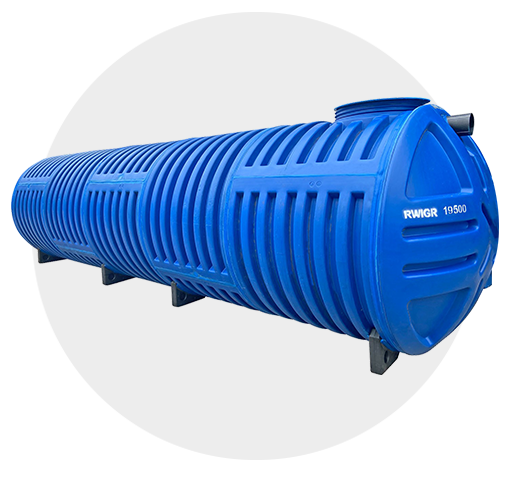
Let's Look at Some More Sustainable and Water-Saving Options
- Inground Rainwater Tanks: These tanks are quite portable because they are made of a single rotomolded component. The capacity of these tanks ranges from 1000 to 10,500 litres, and they are available in a range of sizes. The environment gains a great deal from the ability to collect and use rainwater for equipment like washing machines and clothes dryers.
- Stormwater Tanks: These larger tanks are often utilized in the industrial and commercial sectors to hold rainwater. The tanks, which often hold between 8500 and 23500 litres, may save the company a lot of money once they are installed. Bigger structures and complexes with bigger roof surfaces work well with the larger tanks since they have a significant capacity for water storage.
Over time, there has been a significant increase in the public's awareness of sustainability, water conservation, and rainwater collection. Call the leading providers of rainwater and septic tank solutions to move your business towards a greener future.


Comments
Post a Comment